







Synopsis
The Vampire Lestat refuses to play by anyone’s rules. It blends gothic horror, psychological drama, rock concerts and dark comedy into one wildly ambitious package. Rather than retreading familiar vampire stories, it explores grief, identity and fame through the eyes of one of fiction’s most charismatic anti-heroes. The result feels bold, bizarre and, most importantly, unforgettable.
Cast & Performances
Firstly, let’s talk about Sam Reid because he deserves every bit of praise coming his way.
He doesn’t simply play Lestat. He becomes him.
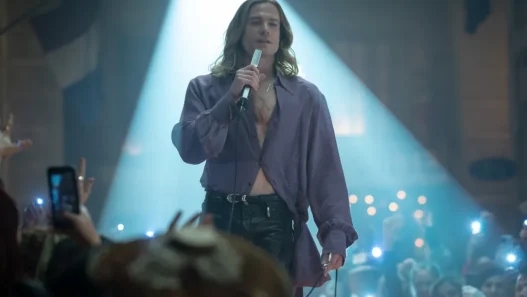
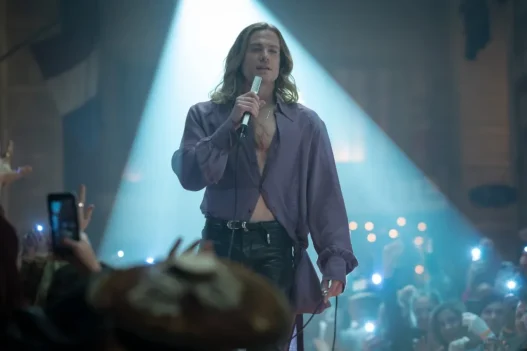
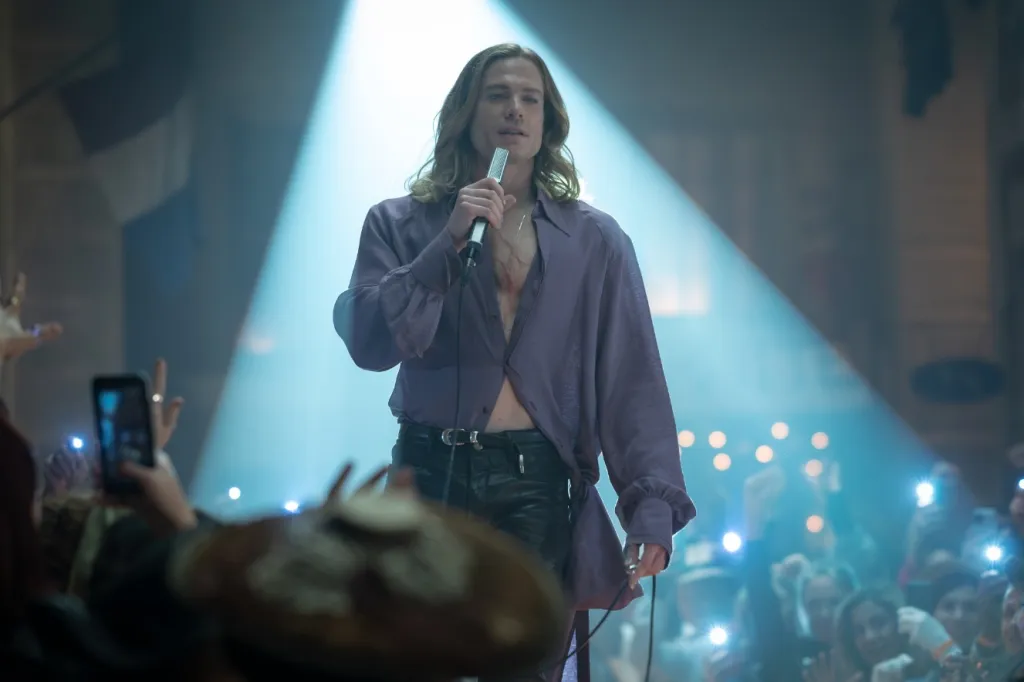
One moment he oozes confidence like the world’s biggest rockstar. Next, he strips everything back and exposes a man drowning in centuries of guilt and trauma. His emotional range never stops impressing.
Moreover, his musical performances elevate the series beyond typical fantasy television. Every song reveals another layer of the character rather than stopping the story.
Jacob Anderson also delivers some of the strongest work of his career.
Louis spends much of the season wrestling with grief, regret and obsession. Anderson captures every emotion with remarkable honesty. His quieter moments often hit harder than the show’s biggest set pieces.
Meanwhile, Assad Zaman continues to prove why Armand remains one of television’s most fascinating characters. He walks the line between vulnerability and menace so effortlessly that you never truly know where his loyalties lie.
Furthermore, Sheila Atim arrives later in the season and immediately commands attention. Her screen presence feels immense, even when her character barely moves. She turns every monologue into an event.
Finally, Delaney Hayles deserves enormous praise. Although she doesn’t dominate every episode, her emotional scenes leave a lasting impact. She delivers some of the season’s finest dramatic moments.
Simply put, this cast is exceptional.
Production
Visually, The Vampire Lestat looks stunning.
The cinematography constantly experiments without becoming distracting. Clever first-person camera work, seamless transitions and dreamlike imagery create a world that feels haunting yet strangely beautiful.
Additionally, the editing deserves enormous credit.
Several episodes weave together different timelines and emotional beats through elegant visual transitions. Rather than confusing viewers, these choices deepen the storytelling.
Then there’s the music.
Initially, I wasn’t sure whether the rock opera direction would work.
Thankfully, I couldn’t have been more wrong.
Music becomes the heartbeat of the entire series. The songs never feel like interruptions. Instead, they become another form of dialogue, exposing emotions that ordinary conversations simply couldn’t.
Likewise, the visual effects impress throughout the season.
Rather than relying on endless CGI spectacle, the show uses practical-looking effects and subtle body horror to create unforgettable imagery. Several sequences genuinely rank among the year’s most creative television moments.
Review
Above all else, The Vampire Lestat succeeds because it constantly surprises.
Every episode introduces fresh vampire mythology without overwhelming viewers with exposition. New powers, hidden histories and expanding lore appear naturally, making the world feel ancient and lived in.
Furthermore, the series refuses to reduce its vampires to monsters.
Instead, it explores broken people trapped inside immortal bodies. Grief, guilt, fame, love and obsession drive almost every major decision.
Consequently, even the biggest supernatural moments remain grounded in genuine emotion.
The humour also deserves recognition.
Despite tackling heavy themes, the writing frequently catches you off guard with razor-sharp wit and absurd situations. Lestat’s arrogance creates countless laugh-out-loud moments, while the ongoing verbal sparring between the central characters keeps every conversation entertaining.
Equally impressive is the show’s willingness to embrace its own weirdness.
One minute you’re watching psychological horror.
Next, you’re witnessing a rock concert.
Then the story pivots into heartbreaking character drama.
Against all odds, it somehow works.
However, the season isn’t flawless.
Although the finale contains outstanding performances and powerful emotional scenes, its biggest narrative decision left me frustrated.
Without spoiling anything, the final episode builds enormous suspense around a major conflict before skipping the payoff entirely. That choice robs the ending of the emotional release the season spends weeks earning.
As a result, what could have been an all-time great finale lands as merely good.
Nevertheless, that disappointment shouldn’t overshadow everything the show achieves.
This remains one of the boldest fantasy series on television. It takes creative risks.
It trusts its audience. Most importantly, it never settles for being predictable. There was laughter. I cringed.
I questioned several life choices. Yet I couldn’t stop watching.
Ultimately, The Vampire Lestat delivers one of the most original vampire adaptations in years. Outstanding performances, breathtaking production and fearless storytelling make it essential viewing.
Now, all eyes turn towards Season 4.
Let’s just hope the writers stick the landing next time.

Your go to for all things film, tv, gaming, pop culture! Can I be your movie guy?


