



The Taster tells a World War II story from a perspective I had never come across before. Instead of focusing on soldiers, resistance fighters or political leaders, the film centres on Hitler’s food tasters, women whose daily role was to eat his meals first in case they had been poisoned. It immediately shifts the focus of the war away from the battlefield and into something far more personal and unsettling.
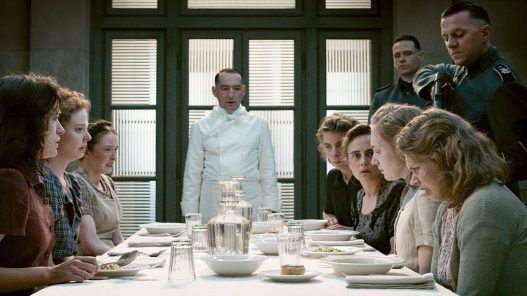
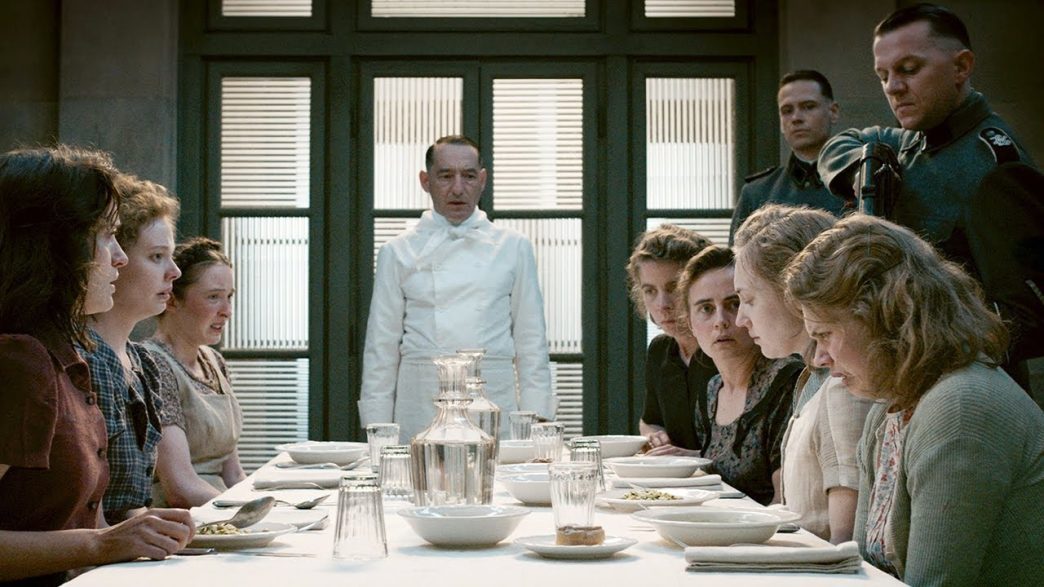
Every meal carries a sense of dread. Watching the tasters dine feels like witnessing a slow game of Russian roulette. There is no dramatic warning, only silence, nervous glances and the quiet wait to see whether anyone begins to show signs of poisoning. The repetition of this routine becomes deeply unsettling. Survival here feels arbitrary rather than heroic, which keeps the tension present throughout.
The performances from the women playing the tasters are genuinely strong. Their fear never feels exaggerated. It shows itself in small details such as hesitant movements, forced conversation and the constant awareness that refusal is not an option. You begin to feel their exhaustion as much as their fear, as terror slowly becomes part of everyday life.
What makes the film particularly effective is how intimate it feels. War is usually portrayed through scale and destruction, but here the danger exists inside guarded rooms and dining halls. These women are both protected and imprisoned, kept alive only because their lives serve a purpose. That contradiction sits at the heart of the story.
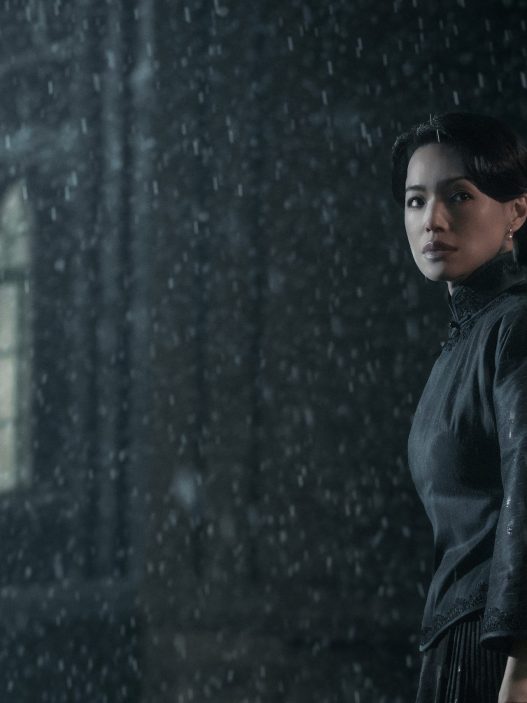
Visually, the film supports this atmosphere well. The restrained settings and muted tones keep the focus on performance and emotion. Even moments of stillness feel tense, as if something terrible could happen at any time.
Beyond the suspense, the film shines a light on a lesser known human experience from the war. It is a reminder that many wartime stories unfolded far from combat yet carried just as much fear and uncertainty.
Overall, The Taster is gripping and quietly powerful. It offers a fresh and deeply human perspective on World War II through strong performances and sustained tension. It proves that sometimes the most frightening place in wartime is not the front line, but a dining table where every meal could be your last.

I grew up in the Blockbuster Video days, when picking a film meant judging the cover and hoping for the best. I’m not a critic by trade — I just call it how I see it, whether a film smashes it or falls flat on its face.