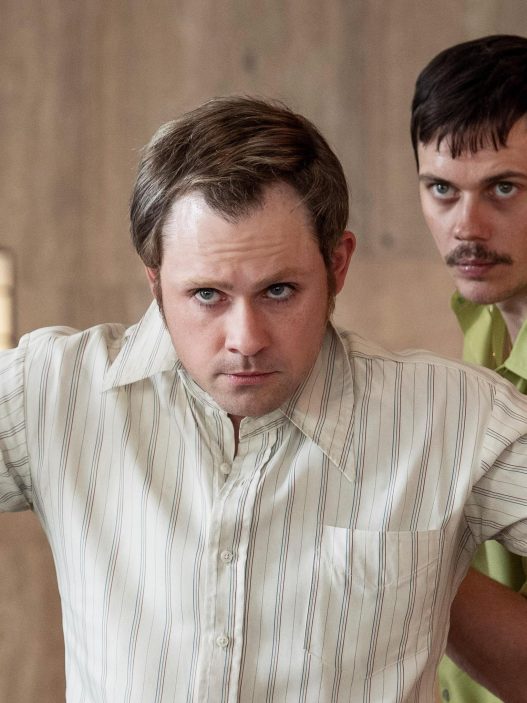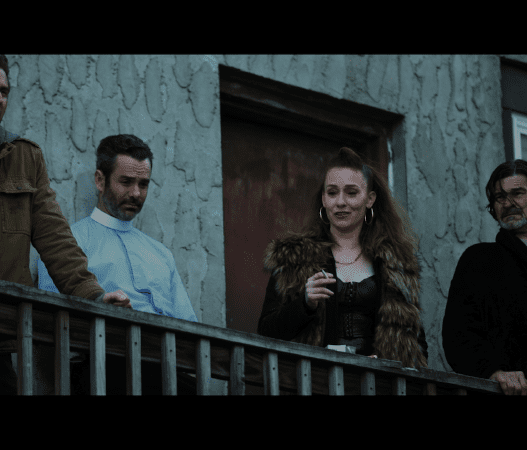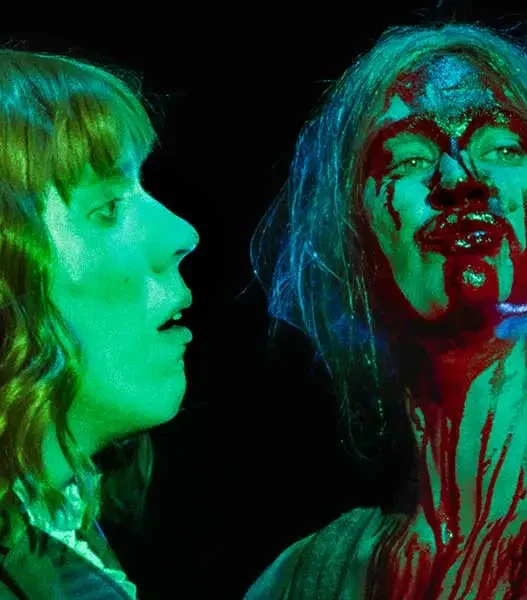






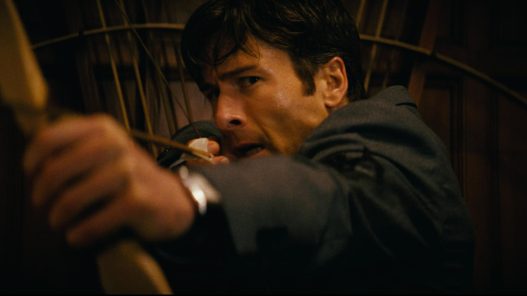
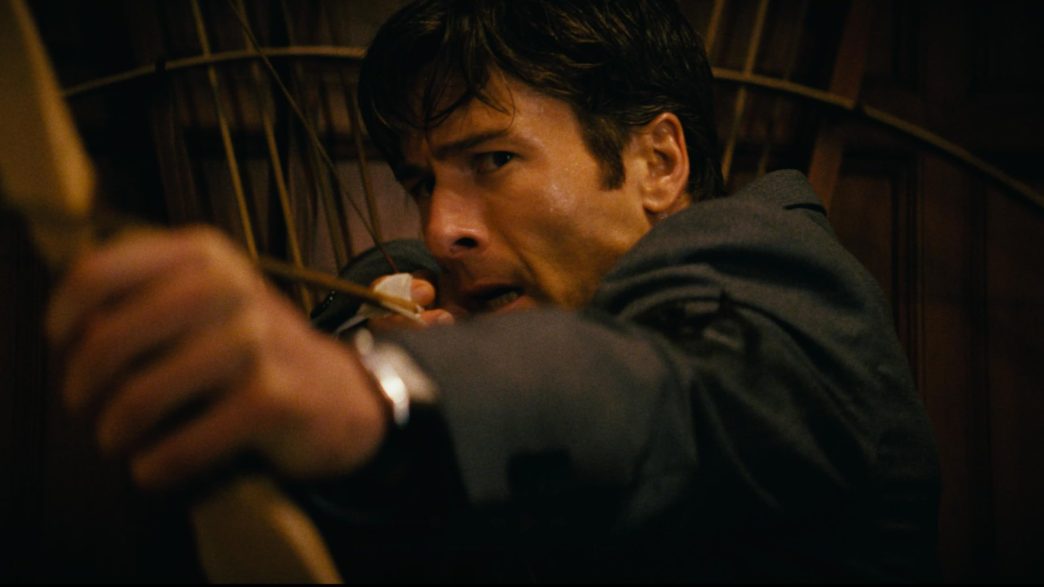
How to Make a Killing follows Becket, a man sitting in prison just hours away from his execution. With a priest as his reluctant audience, he begins confessing the twisted tale that led him there. Through his recollections, we witness a series of increasingly chaotic murders, a questionable romance, and a family tree that seems determined to thin itself out.
The film unfolds through Becket’s retelling, making him a somewhat reliable narrator at best. As he recounts his rise from awkward nobody to surprisingly competent killer, the story jumps between violent escapades and an oddly lengthy love story that may or may not be worth the emotional investment.
Let’s start with the good news: Glen Powell continues his march toward becoming one of Hollywood’s most dependable leading men. As Becket, he brings a strange cocktail of charm, innocence (depending on your moral flexibility), and comedic timing. Watching his “career progression” as a serial killer is oddly entertaining, especially thanks to his internal monologues, which add a darkly comedic layer to the chaos.
Margaret Qualley is fantastic as Julia, delivering a wonderfully unhinged performance as the raunchy, psychotic, gold-digging wife. She leans fully into the role and clearly understands the film’s chaotic energy.
Unfortunately, the supporting cast doesn’t get the same room to shine. Ed Harris is criminally underused (no pun intended), which feels like a major missed opportunity given his gravitas. Jessica Henwick does a serviceable job with what she’s given, but the script doesn’t allow her character much depth.
Meanwhile, Bill Camp briefly injects some genuine emotion into the film, standing out in a story where most characters are intentionally written to be deeply unlikeable.
The film draws loose inspiration from the classic dark comedy Kind Hearts and Coronets, and you can definitely see the DNA in its premise of systematically eliminating inconvenient family members.
Visually, the film keeps things fairly straightforward. The camera work is clean but rarely adventurous, focusing more on character moments than stylistic flair. The soundtrack complements the dark comedy tone well enough, occasionally heightening the absurdity of Becket’s murderous misadventures.
However, the storytelling structure becomes the real production challenge. The narrative constantly jumps between killings and the developing romance plot, which interrupts the pacing more than it enhances it. What should feel like a clever rhythm ends up feeling like narrative whiplash.
The biggest issue with How to Make a Killing is that it tries very hard to be clever but forgets to be tight.
The framing device? Becket confessing everything to a priest hours before execution is a strong idea. It gives the story a reflective tone and positions Becket as a somewhat unreliable narrator. In theory, this should add intrigue.
In practice, the film starts to drag.
The runtime begins to feel heavier as the story repeatedly jumps between murder and romance. The love plot receives a surprising amount of screen time, which might be fine if it actually paid off. Unfortunately, it ultimately leads to very little, making the investment feel wasted.
The script also struggles to keep things fresh. The kills begin to feel formulaic: one family member, then the next, then the next. Because most of these characters are intentionally written to be insufferable, their deaths lack tension. If everyone’s terrible, then every murder feels oddly justified which removes the moral complexity that could have made the story sharper.
That’s why Bill Camp’s presence briefly stands out. His character introduces a rare moment of emotional weight, reminding you that the film could have explored deeper themes if it wanted to.
Despite these flaws, the movie does have fun moments. Powell’s narration keeps things entertaining, and his gradual transformation into a confident killer is genuinely hilarious at times.
But by the time the film reaches its ending, you’re less shocked than you are… tired.
It really does try, and there are flashes of dark comedic brilliance, but the pacing issues and a disappointing final payoff prevent How to Make a Killing from fully landing its killer premise.

Your go to for all things film, tv, gaming, pop culture! Can I be your movie guy?