



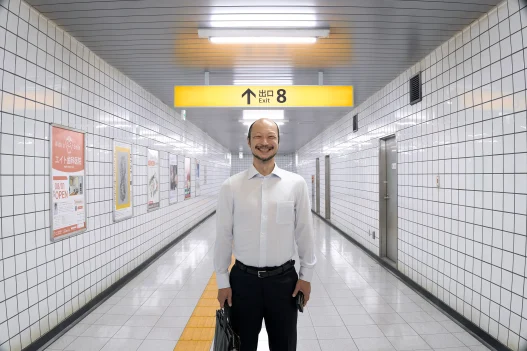
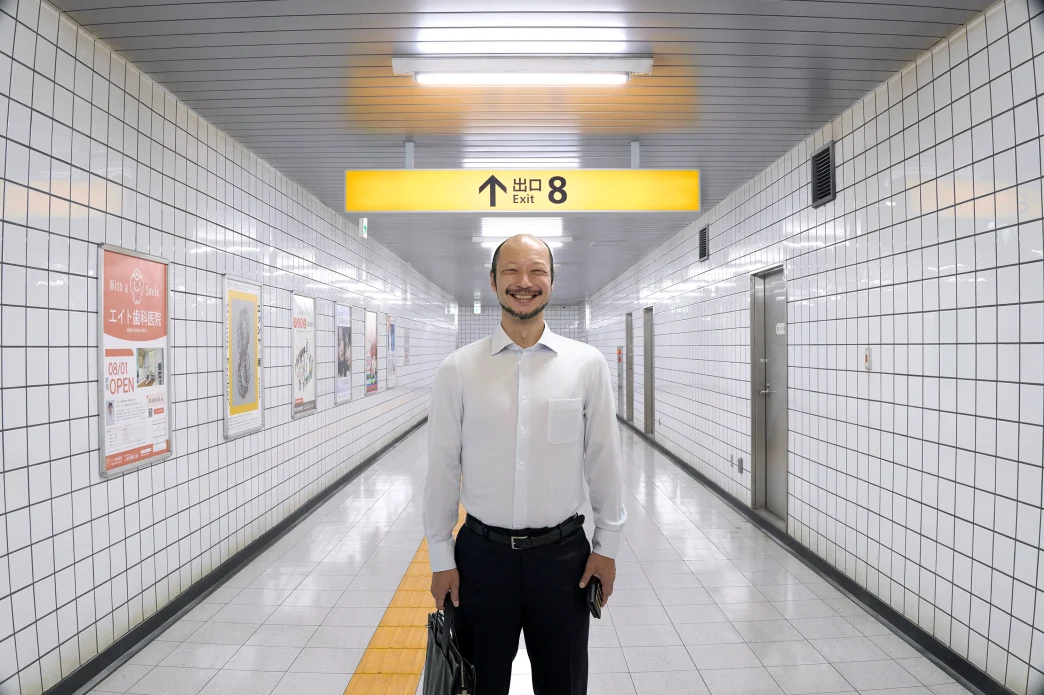
Exit 8 is built on a really simple idea, but it leans into that simplicity in a way that works. There’s no overcomplication, no heavy backstory, just a situation that feels normal at first and then slowly starts to feel… off. And that’s where it gets you.
The film takes something completely ordinary and quietly turns it into something unsettling. It doesn’t rush, and it doesn’t try to scare you in obvious ways. Instead, it repeats just enough to make you question what you’re seeing. You start noticing small differences, then second guessing yourself, then wondering if you missed something earlier. It pulls you into that headspace where you’re not quite sure what’s real and what isn’t.
What I liked most is how controlled it feels. There’s no need for jump scares or over-the-top moments. The tension comes from the details, from the repetition, and from that growing feeling that something isn’t quite right. It’s the kind of film that makes you lean in rather than jump back.
Visually, it keeps things clean and simple, but that actually works in its favour. The setting becomes part of the experience. What should feel safe and familiar slowly becomes uncomfortable, just through subtle shifts rather than anything dramatic.
Exit 8 is a clever little film that does a lot with very little. It’s quiet, tense, and easy to get pulled into. Not one that tries to blow you away, but one that keeps you thinking while you’re watching it, which in this case is exactly what it needed to do.

I grew up in the Blockbuster Video days, when picking a film meant judging the cover and hoping for the best. I’m not a critic by trade — I just call it how I see it, whether a film smashes it or falls flat on its face.