





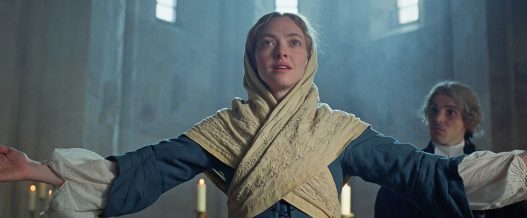

Set in 18th-century America, The Testament of Ann Lee chronicles the spiritual journey of Ann Lee, founder of the Shaker movement, as she escapes religious persecution in England to establish a utopian community in colonial New York. The film tracks her unwavering faith through unimaginable hardships, personal tragedies, and the formation of a radical religious sect that challenged conventional society. It’s a deeply intimate portrait of conviction, sacrifice, and the price of visionary leadership.
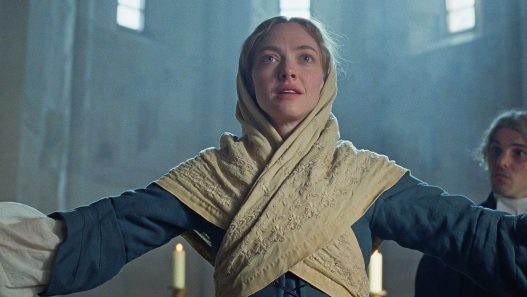
Amanda Seyfried doesn’t just play Ann Lee… she becomes her. From the slight tremor in her voice during prayer to the rigid posture shaped by relentless conviction, Seyfried inhabits every molecule of this complex woman. This is transformative work that goes beyond mimicry into something genuinely transcendent. Her mannerisms, speech patterns, and physical presence suggest someone who has completely surrendered to the role, and frankly, awards voters would be foolish to ignore this level of commitment. Seyfried carries the entire film on her shoulders, and she doesn’t stumble once.
Lewis Pullman matches her intensity as Will, Ann’s devoted brother. There’s a quiet intelligence to his performance.. he’s sharp, observant, and serves as both protector and witness to his sister’s calling. Pullman owns the role completely, providing a grounded counterbalance to Seyfried’s more ethereal energy. The sibling dynamic feels lived-in and authentic, adding emotional weight to every shared scene.
The craftsmanship on display here is remarkable. Cinematographer William Rexer captures period authenticity with a gritty, tactile approach that makes you feel the dirt under fingernails and smell the wood smoke in meeting halls. There’s no glossy historical drama sheen here; instead, we get mud, blood, and candlelight that flickers with genuine uncertainty.
The art direction deserves special mention. Every costume, every piece of furniture, every hand-stitched quilt feels meticulously researched and utterly believable. You’re not watching actors on sets, you’re transported to 1770s New England, complete with all its harsh beauty and unforgiving realities.
But it’s the music that truly elevates this film. The score is hauntingly sparse, allowing the Shaker hymns themselves to become the emotional backbone of the story. These songs performed with strange, rhythmic choreography that’s simultaneously mesmerizing and unsettling burrow into your brain. I found myself humming them on the journey home, which is either a testament to brilliant composition or proof that I’ve been successfully indoctrinated. The placement and utilization of these musical moments is masterful, emphasizing the deeply felt religious experiences without ever feeling manipulative.
Let’s be clear: The Testament of Ann Lee is NOT your average multiplex fare. This is challenging, intellectually rewarding cinema that demands patience and openness from its audience. If you’re expecting a straightforward period piece, prepare to be confronted instead.
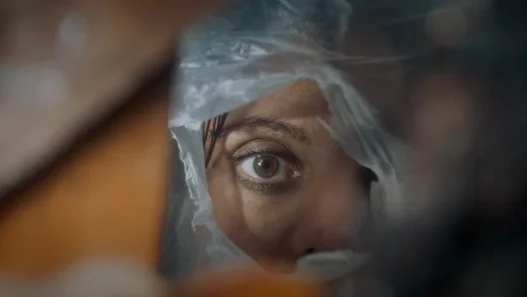
The film pulls absolutely no punches when depicting the brutal realities of 18th-century childbirth and female suffering. There are sequences so viscerally horrifying that I found myself frantically Googling the real Ann Lee afterward, half-hoping the film had exaggerated for dramatic effect. It hadn’t. These moments are genuinely emotional and difficult to watch, but they’re essential to understanding the forging of Ann’s radical theology. When you’ve experienced that level of physical and spiritual anguish, conventional religious answers start to seem inadequate.
The choreographed hymn sequences are where the film gets genuinely weird and I mean that as high praise. The Shakers’ ecstatic worship practices involved shaking, dancing, and speaking in tongues, and watching these moments unfold creates such an odd, hypnotic visual that you can’t look away. These aren’t your polite church choir performances; they’re full-body spiritual experiences that border on the otherworldly. It’s uncomfortable, strange, and absolutely fascinating.
The story itself takes time to fully grasp. Director Mona Fastvold trusts the audience to piece together Ann’s spiritual evolution without heavy-handed exposition. This is slow cinema done right… thoughtful pacing that allows themes to breathe and develop organically. You’re asked to work for your understanding, and the payoff is a richer, more complex portrait than any Wikipedia summary could provide.
Make no mistake: this is a deeply religious film. If you’re spiritually sensitive or allergic to faith-based narratives, tread carefully. But here’s the thing, you don’t have to share Ann Lee’s beliefs to appreciate the artistry on display. The film examines faith with nuance rather than proselytizing, presenting both the transcendent power and devastating cost of total spiritual commitment.
Perhaps most fascinating is the historical footnote that Shaker communities still exist today, though in vastly diminished numbers. Knowing that this radical 18th-century experiment somehow survived into the 21st century adds unexpected weight to everything we’re watching.
Is it for everyone? Absolutely not. The deliberate pacing, heavy religious themes, and period-specific language will alienate viewers looking for easy entertainment. But if you’re willing to meet this film on its own terms, you’ll discover something genuinely special. The combination of Seyfried’s magnificent performance, the exceptional music, and the meticulous production design creates something that lingers long after the credits roll.
Even if religious period dramas aren’t typically your thing, the sheer craft and commitment on display make The Testament of Ann Lee worth experiencing. Just prepare yourself for something challenging, strange, and utterly unforgettable.


