


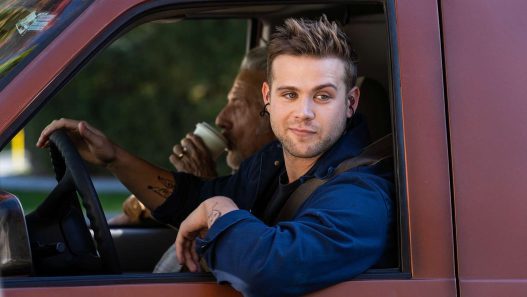

Mobland is Paramount+’s gritty new crime saga that drops us headfirst into the dark, slick, and interwoven underworld of London’s criminal elite. Picture a city where every handshake is a deal, every smile hides a secret, and absolutely everyone owes someone a favour. Leading the pack is Harry, a seasoned gangster who’s trying to juggle marriage counseling in the day and machete diplomacy at night. It’s a world of rival families, shifting loyalties, and the kind of drama that makes a funeral more dangerous than a drug deal.
Tom Hardy, aka Sir Growls-a-Lot, once again plays… Tom Hardy. But let’s be real, we love when Tom Hardy does Tom Hardy things: he’s brooding, he’s brutal, and this time, he’s bringing emotional baggage! Seeing him balance the role of ruthless mob thug and emotionally flammable husband adds a depth that actually makes you pause between the punches.
Pierce Brosnan as the Godfather figure? Pure class. Equal parts charming and threatening, like if James Bond ran the mafia and had zero chill. Helen Mirren though—she steals every scene. She’s mischief in designer heels, and the moment she steps in, you just know someone’s about to cry.
Geoff Bell plays Richie delivering big “don’t mess with me” energy as a rival gang leader who seems like he drinks gravel for breakfast. And Anson Boon? This kid is terrifying. The heir apparent to Joffrey’s throne of unlikability. The character is pure venom—and Boon plays it with smug perfection.
The lens constantly makes you feel like you’re being watched—which fits a show where trust is basically extinct. The muted, smoky colour palette adds to that moody British gangster vibe, and every frame feels like a secret waiting to explode.
The editing style is sharp, intentional, and paced with menace. When a camera lingers, it’s for a reason—and usually that reason is someone’s about to get smacked with a snooker cue.
Where Mobland truly earns its turf is in the layered storytelling. The gangster elements are brilliantly webbed—everything’s connected: clubs, hospitals, courtrooms, even your nan’s bingo night. It builds a believable criminal ecosystem that feels disturbingly real.
The side plots are more than just filler—they feed into the bigger picture with actual weight. Kevin’s prison PTSD is harrowing, Jan’s therapy unpacks the psychology behind the violence, and Bella’s ongoing family feud adds a tragic undertone to the whole saga.
Now, let’s talk standout episode: the funeral grenade situation. My palms were sweating. It’s the kind of scene where your popcorn goes uneaten because your soul is clenching. This show does tension better than most.
Then there’s Maeve and Conrad, the walking embodiment of a red flag. Their toxic romance is a psychological car crash you can’t look away from. It’s Shakespearean—if Romeo and Juliet hated each other but stayed together just to spite the world.
Now, the finale… It had some beautifully poetic beats, especially around Hardy’s character arc—how he was unkillable in the streets but fragile at home. Deep stuff. But the way it wrapped up? It almost hits, but not quite. Like ordering an espresso martini and getting decaf. You appreciate the craft, but you’re left wanting that extra kick.
Mobland is loud, clever, violent, emotional, and weirdly philosophical when it wants to be. It’s basically a therapy session wrapped in a gunfight. The performances are stellar, the production’s tight, and the story builds a world worth investing in—even if that world smells suspiciously of cigar smoke and betrayal.

Your go to for all things film, tv, gaming, pop culture! Can I be your movie guy?