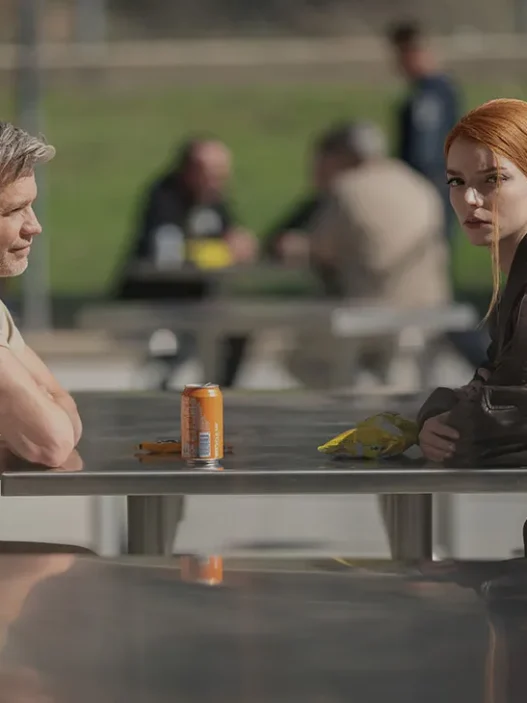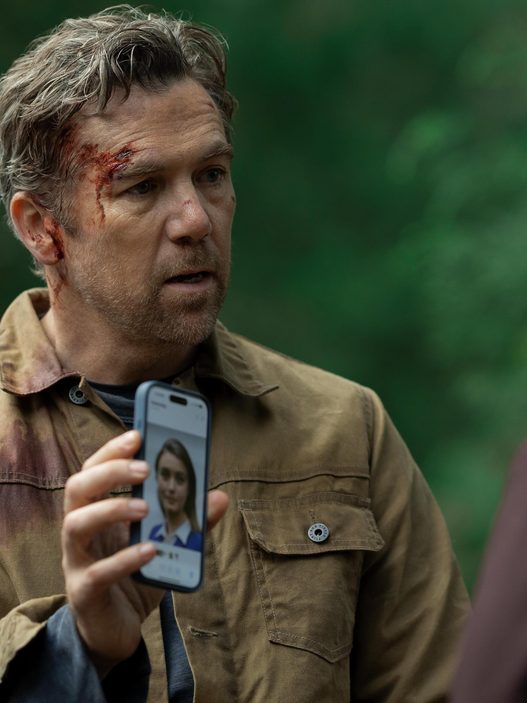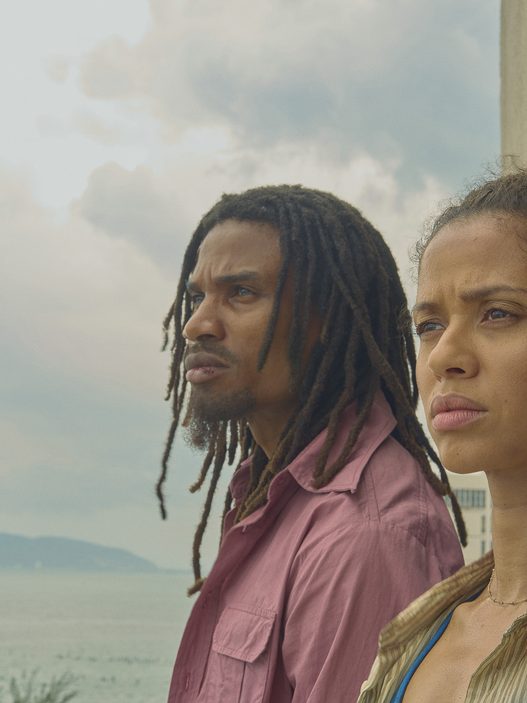
Apple TV just dug up a 90s thriller classic, handed Javier Bardem a crowbar, and let him loose on an unsuspecting suburban family. Cape Fear returns with Spielberg and Scorsese at the helm producing.
Synopsis
Apple TV’s new series reinvents the classic psychological thriller by plunging two supposedly high-flying legal minds into a nightmare. A cunning ex-con targets their family, turning a quiet coastal life into a psychological bloodbath. Nobody holds the moral high ground here, and the collateral damage piles up fast.
Cast & Performances
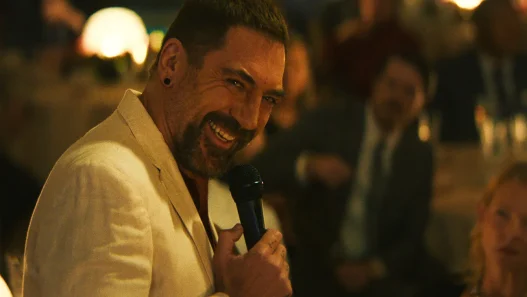
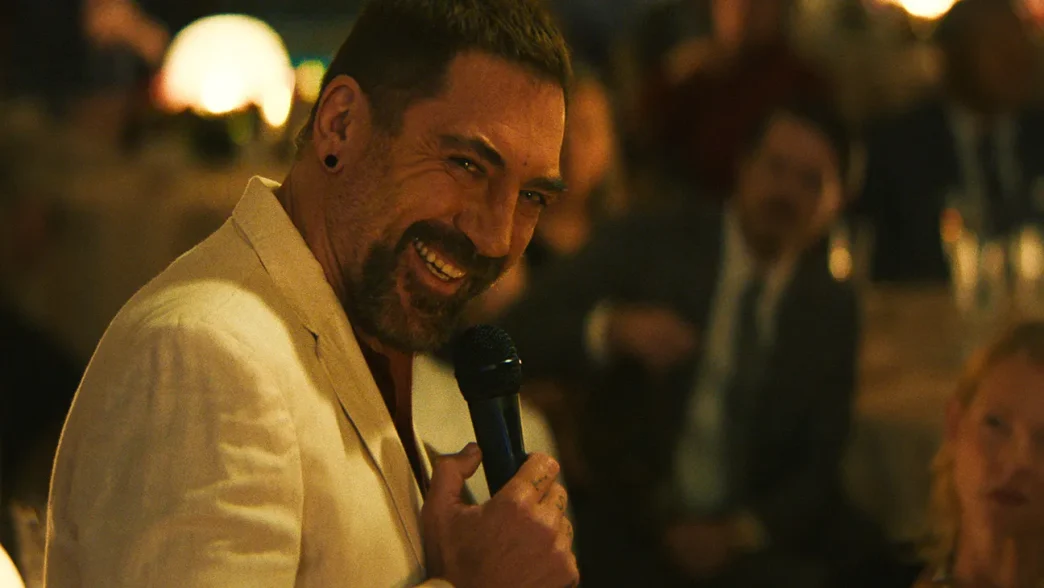
Javier Bardem operates as an absolute force on screen from his very first chilling introduction all the way to the end. He swaps Robert De Niro’s loud, maniacal mayhem for a calm, calculated, and terrifyingly cunning approach.
Juliette Lewis returns in a brilliantly interesting role, adding a nostalgic punch to the proceedings. Amy Adams and Patrick Wilson play respected lawyers with zero parenting skills and flaky home security. They deliver adequate performances just enough to get through, yet their characters make baffling choices.
The teenagers act brainless from minute one, though this stems entirely from lazy writing rather than actor capability.
Production
The production design plunges viewers into a world so dark that certain episodes carry content warnings. The show flirts heavily with themes around voodoo and the supernatural without actually diving off that cliff.
The musical score deserves high praise because it keeps you utterly locked in with relentless suspense. Furthermore, inventive camera techniques frame the psychological warfare with suffocating claustrophobia.
Review
Cape Fear starts brilliantly, establishing a fresh, reinvented world before stumbling hard after episode three. An insane twist reveals a vicious war of families operating as a cesspool of manipulation. Literally nobody remains off limits, dragging fathers, wives, sons, and daughters into twisted mind games. Even the supposed killer gets targeted by mind games, which proves genuinely hilarious.
However, halfway through the season, the writing takes a sharp left turn into utter stupidity. Characters make ridiculously absurd decisions, such as the daughter taking a leisurely joyride away with the exact stalker terrorising them. The narrative devolves into a repetitive loop of framing, arresting, re-framing, and re-arresting.
While the tension building remains immaculate, the persistently stupid character choices constantly throw you out of the experience. Disturbing, messed-up scenes land with real impact, but the broken narrative flow ultimately kills the momentum. That finale feels profoundly meh, wrapping up plots far too quickly and falling utterly flat.

Your go to for all things film, tv, gaming, pop culture! Can I be your movie guy?