
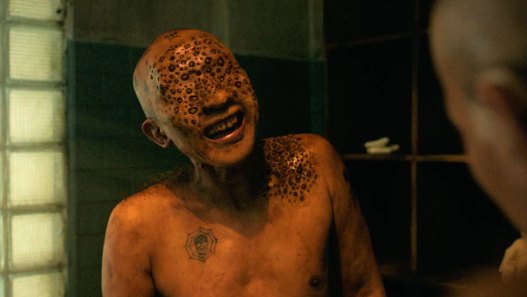

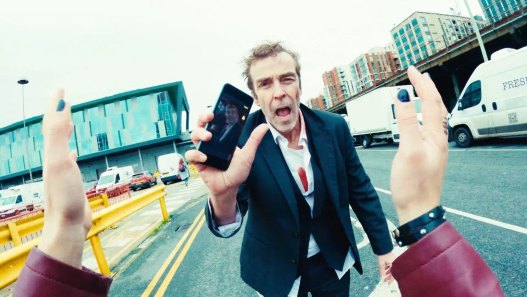

After watching Animol (2026), directed by Ashley Walters and written by Nick Love, I found myself thinking about what it really means to survive in a British prison. We often watch films where people behind bars are seen as the bad guys, but what happens to someone who doesn’t want to become an animal just to survive? Can they hold on to who they are, or does their environment eventually change them?
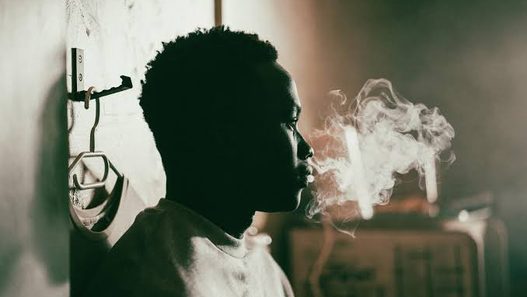
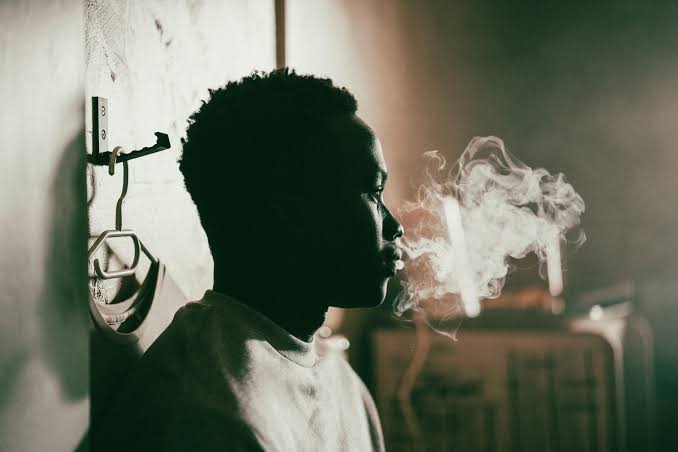
One of the things I liked most about Animol was how real it felt. The performances, particularly Tut Nyuot as Troy, felt believable. I was drawn to the close-up shots of the actors’ faces, especially Tut’s. There were moments when I felt I could see Troy’s pain through his eyes and almost understand what he was thinking without him having to say anything. I think this is what made his performance so powerful. Sometimes, it’s the little expressions and moments of silence that tell you the most.
Troy’s situation also made me think about how easily someone can be pressured into doing things they don’t want to do. When refusing to follow orders can have consequences, how much choice do you really have? I saw Troy’s attack on Mason as coming from frustration and fear, rather than simply aggression. He is struggling to survive while worrying about what might happen if he refuses to do what Dion wants
I had mixed feelings about Troy and Krystian’s relationship. I noticed how Troy seemed happier when he was with Krystian, laughing and joking in a way we don’t see as much elsewhere. It felt like he could relax and be himself around him. Their relationship made me think about how complicated human connections can be, especially when people are already in vulnerable situations.
The film also made me think about young people who move through different systems from an early age, from care homes to school and eventually prison. What must it be like to grow up having to adapt to one difficult environment after another? And what happens when these systems become such a big part of someone’s life that it becomes difficult to escape them?
Summary
Overall, Animol left me with a lot to think about. It made me question the way we judge people, the choices they make under pressure, and how much their circumstances can shape who they become.
Perhaps the real question is this: to survive the jungle, do we have to become an animal, or can we survive without losing who we are?

Clarrie mae is an actress and writer with a passion for storytelling across film and theatre. She wrote the theatre production The Colour of Home, starring Callum Turner, and has also collaborated with acclaimed writer Alex Wheatle. Her experience in the film industry includes working on productions such as Wicked, Steal for Amazon Prime Video, and the BBC’s Small Axe. With a keen interest in the creative arts, Clarrie Mae brings her passion for performance, storytelling and the screen to her work.