


Scarpetta dives into the complicated world of forensic pathology, where every body tells a story sometimes loudly, sometimes through a whisper of evidence. The series follows brilliant medical examiner Kay Scarpetta as she investigates brutal murders while navigating messy family relationships, professional rivalries, and secrets buried deeper than the bodies on her autopsy table. What begins as a crime drama quickly mutates into something far more layered, hopping between timelines and peeling back decades of mystery.
The casting here is genuinely inspired. Nicole Kidman and Rosy McEwan both portray Kay Scarpetta in different timelines, and the resemblance and mannerisms are so convincing that there were moments I genuinely had to pause and remind myself which timeline I was watching. That’s not confusion in a bad way it’s just excellent casting doing its job a little too well.
Meanwhile, Jamie Lee Curtis absolutely steals scenes as Dorothy. She’s loud, boisterous, confrontational, and basically a walking hurricane of personality. Whenever Dorothy and Scarpetta share a scene, sparks fly. The two clash over everything family, decisions, probably the correct way to butter toast and it makes for some of the show’s most electric moments.
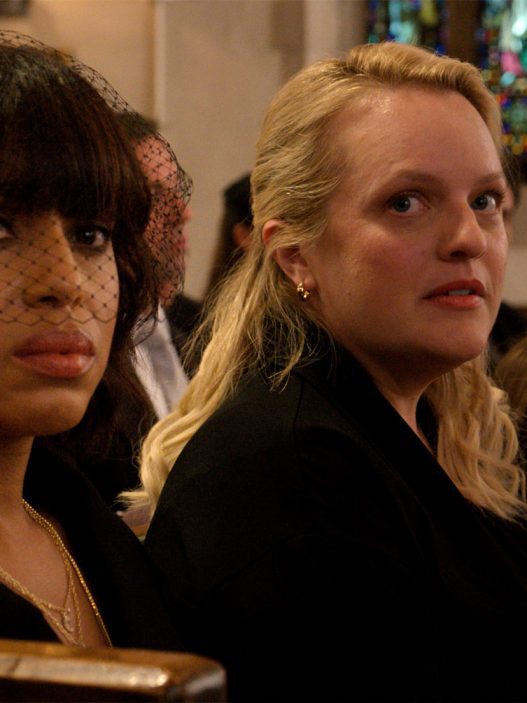
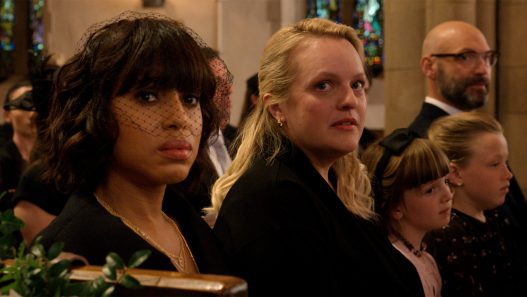
The supporting cast is stacked with heavy hitters. Ariana DeBose, Bobby Cannavale, and Simon Baker deliver performances that feel like acting masterclasses. Every line feels intentional, every reaction layered.
A fun generational detail: Jake Cannavale plays the younger version of his father Bobby Cannavale’s character. Watching that father-son casting choice unfold on screen is surprisingly cool, and it’s becoming something of a trend in TV lately.
Special mention also goes to Janet Montgomery, whose performance as an AI version of Lucy’s late wife becomes one of the show’s most unexpected emotional anchors. Yes an AI character ends up delivering some of the most human moments in the series.
And the younger versions of the characters across the timeline? Just as impressive. Nobody here feels like a “discount version” of their older counterpart.
Visually, the show has some genuinely striking creative choices. There are moments where past and present versions of Scarpetta are shown side-by-side performing autopsies. It’s eerie, artistic, and surprisingly beautiful in a very “forensic science meets gallery exhibit” sort of way.
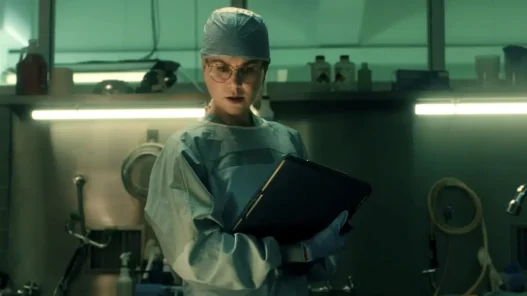
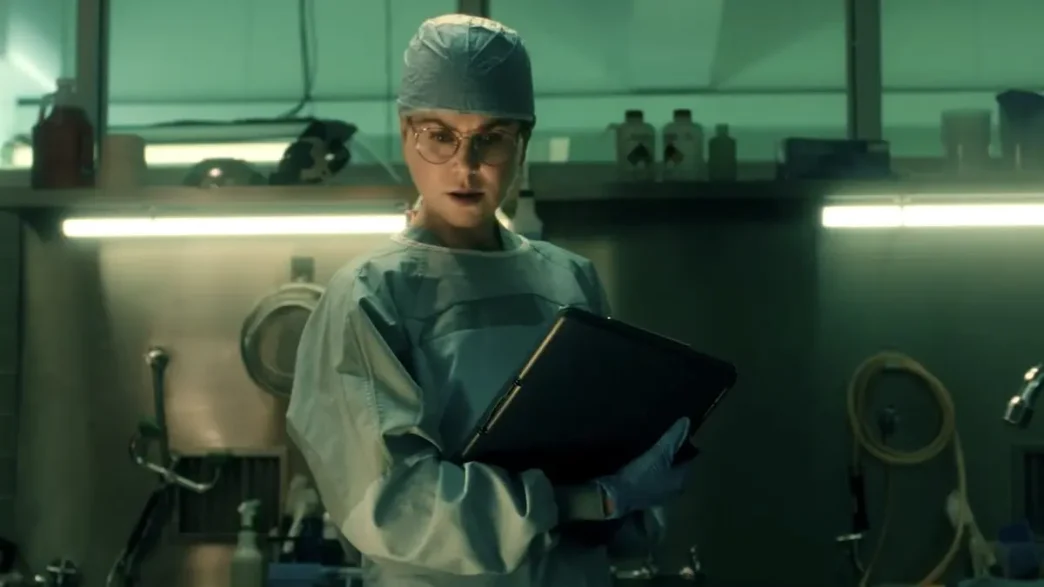
The cinematography leans into sterile lighting and tight framing during autopsy scenes, making the viewer feel like they’re standing in the room, slightly uncomfortable but unable to look away.
The soundtrack quietly heightens the tension rather than screaming for attention. It’s moody, clinical, and occasionally haunting, perfect for a show that spends a lot of time inside morgues and inside people’s secrets.
The writing is also extremely precise. The medical analysis of bodies is detailed without becoming overwhelming, and the dialogue swings between intense investigative exchanges and surprisingly juicy personal drama.
This is not your standard “find the killer and go home” crime show.
Scarpetta jumps across timelines constantly, connecting old cases to new ones in a puzzle that keeps expanding. Just when you think you’re watching a grounded forensic drama, the show suddenly veers into unexpected territory touching on espionage, cloning theories, international intrigue, and even hints of space-adjacent conspiracy.
Yes. It goes very left… and somehow still works.
But beneath the murder cases and conspiracy threads is a strong family story. Dorothy’s side of the narrative focuses heavily on motherhood, marriage, and sibling dynamics, adding emotional weight to the procedural elements.
Lucy, Scarpetta’s niece, carries one of the most fascinating storylines. After losing her wife, she continues conversations with her through an AI recreation. That AI quickly becomes a full-blown character in the show sometimes comforting, sometimes unsettling, and occasionally saying things that make you go, “Hold on… that’s a bit suspicious.”
The series also doesn’t shy away from difficult subject matter. Some cases involve extremely sensitive themes including sexual violence and sadistic killings, so viewers should definitely be aware of the heavier tone.
There’s even a moment where two detectives begin theorising about a serial killer’s motives with a level of enthusiasm that borders on… concerning. Let’s just say it made me uncomfortable in a very “wow, you need a special kind of brain for this job” way.
But the real hook is the storytelling. Twists, secrets, hidden motives it just keeps stacking them. Every episode feels like opening another locked drawer in a filing cabinet full of skeletons.
And the ending?
Let’s just say the reveal hits hard… and then slams you straight into a massive cliffhanger.
Season two is not optional. It’s required.

Your go to for all things film, tv, gaming, pop culture! Can I be your movie guy?